Bentley Transmission Diagnostics
We read every gearbox fault code and review live data on a running car. That includes fluid temperature, clutch slip values and shift times. A road test under different loads confirms what the data shows.
Bentley Gearbox Specialist · Dubai
We identify your exact gearbox first, then repair it with the right tools, software and fluid.
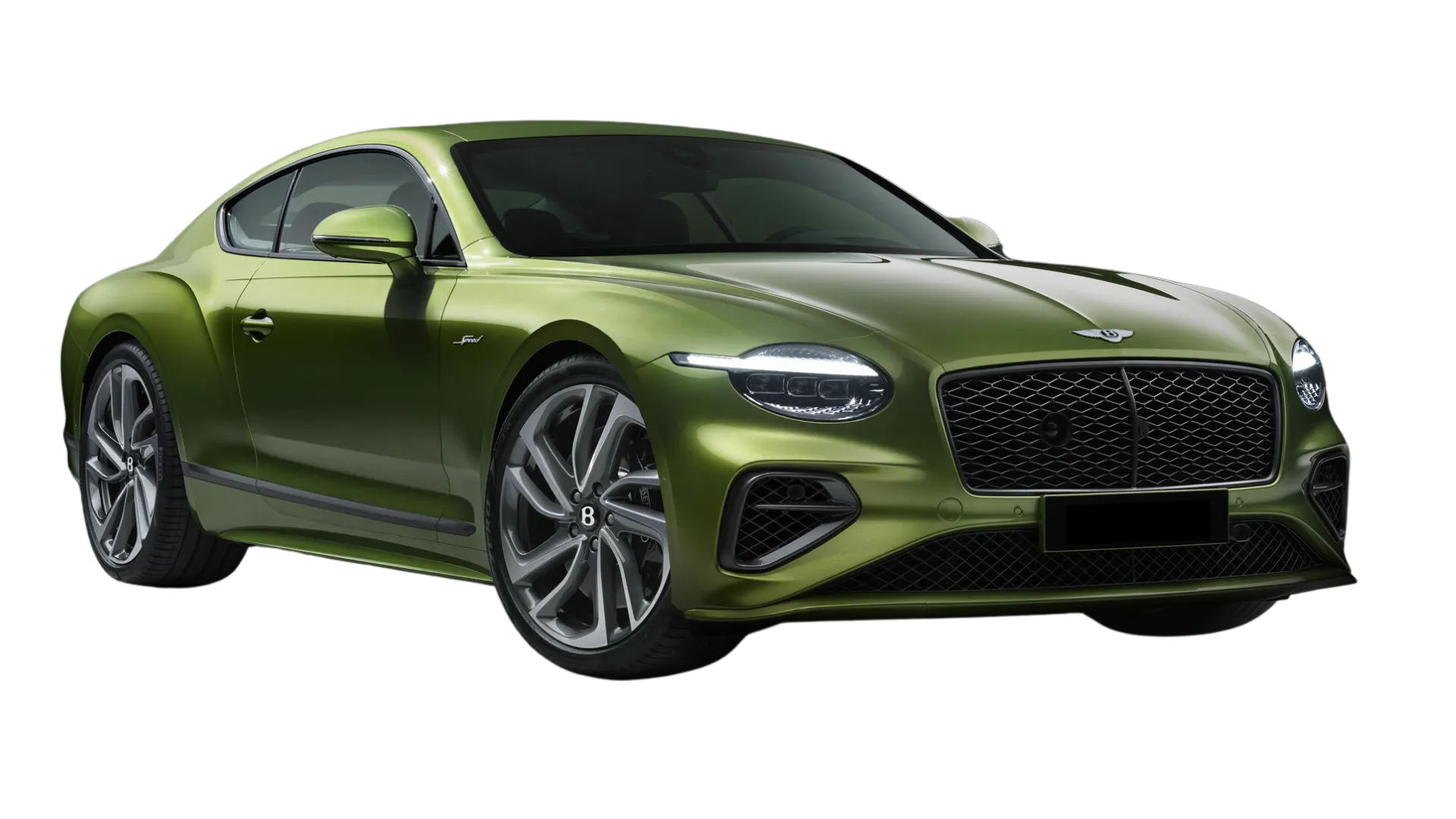
The 2025 Continental GT Speed sends 782 PS and 1,000 Nm through its 8-speed dual-clutch gearbox, with a 140 kW electric motor built right inside it.
Not every Bentley transmission is the same. A repair that suits a Bentayga can be wrong for a Continental GT, so we match the job to the gearbox fitted to your car.
| Model | Years | Gearbox | What We Watch For |
|---|---|---|---|
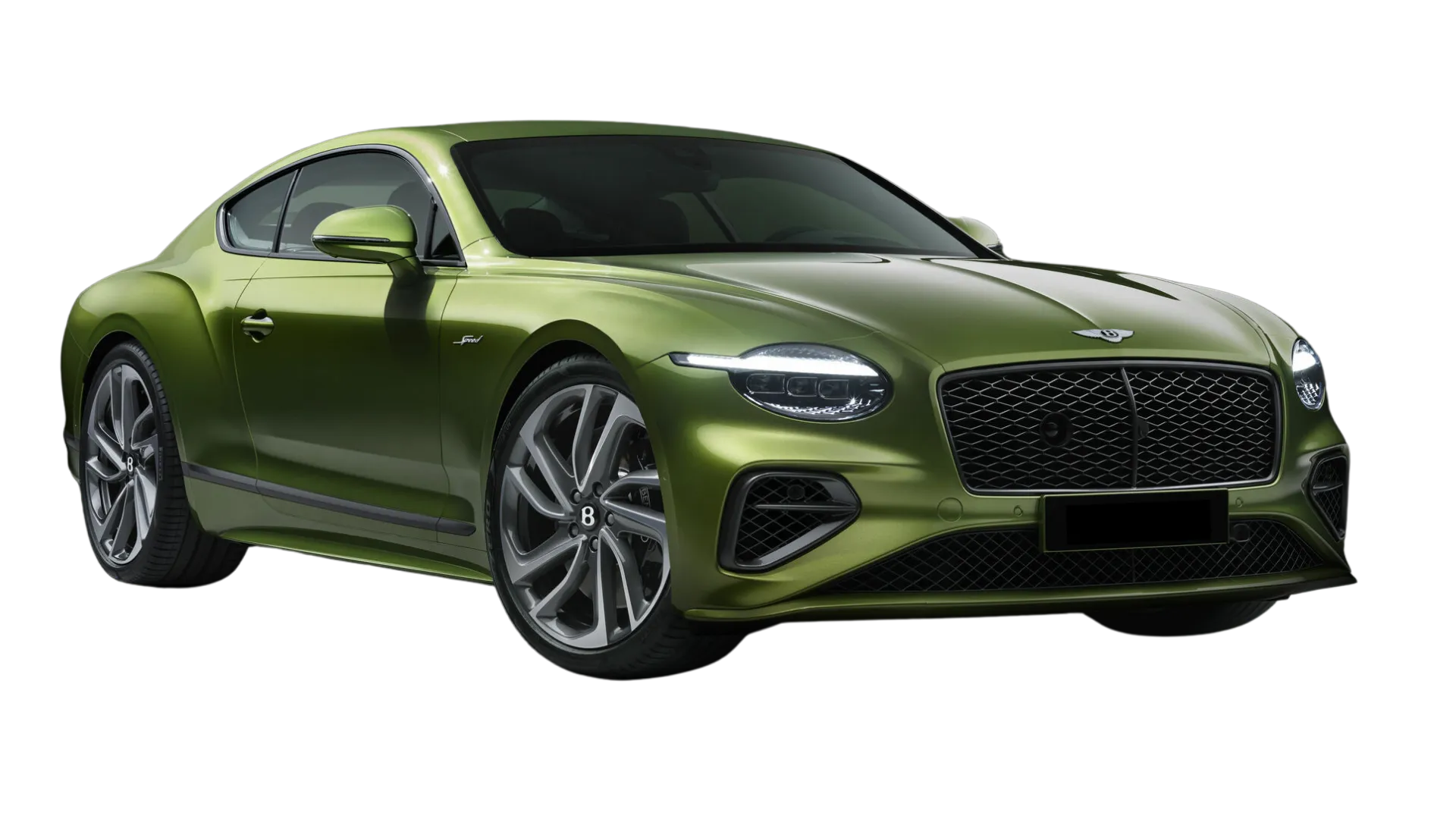 Continental GT, GTC, Flying Spur (W12) | 2003 to 2017 | ZF 6-speed automatic (8-speed on later Speed models) | Harsh shifts, valve body wear, fluid breakdown |
| Continental GT and GTC V8 | 2012 to 2017 | ZF 8-speed automatic | Delayed engagement, adaptation faults |
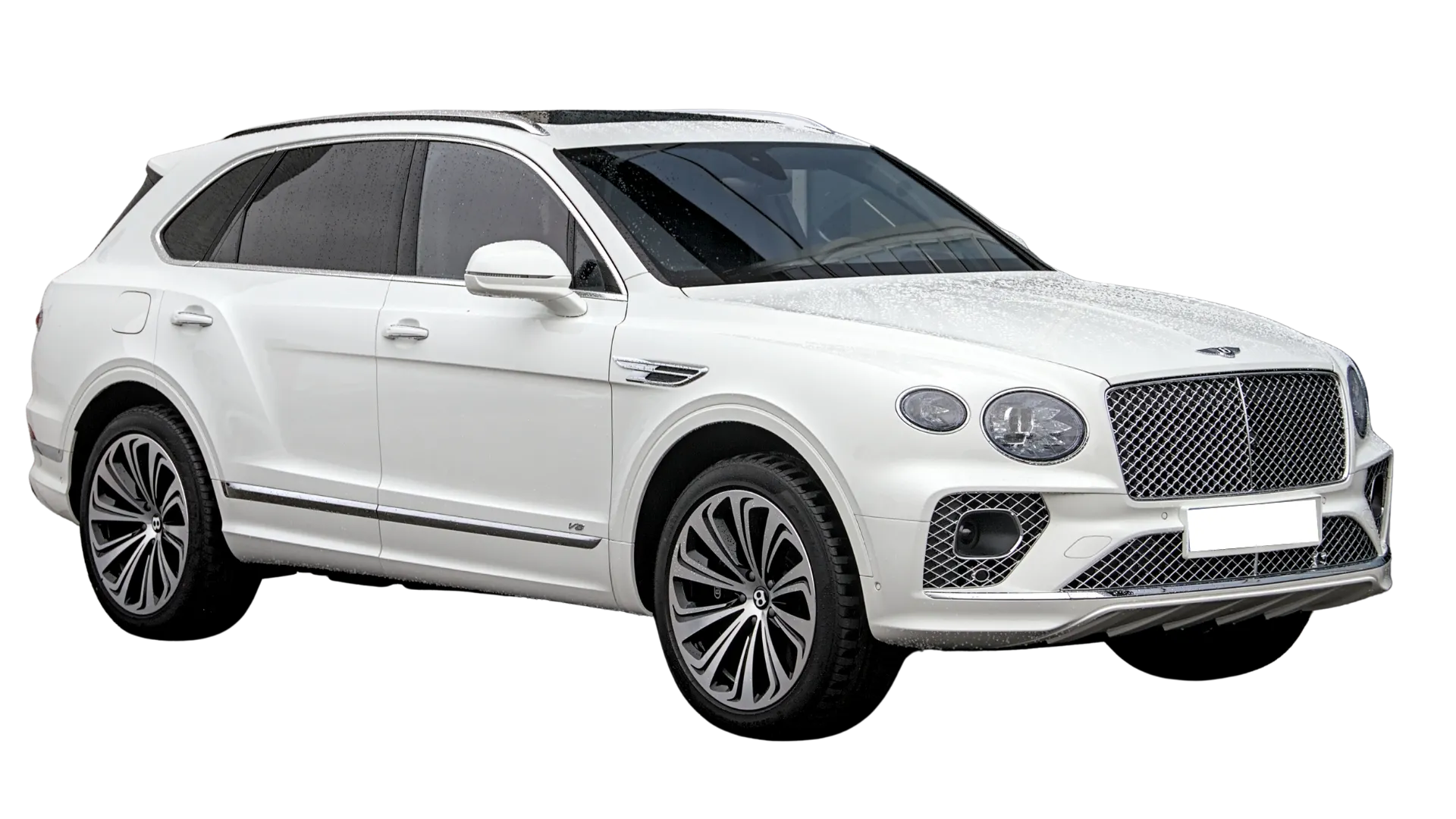 Bentayga | 2015 to present | ZF 8-speed automatic | Heat-aged fluid, mechatronic faults, leaks |
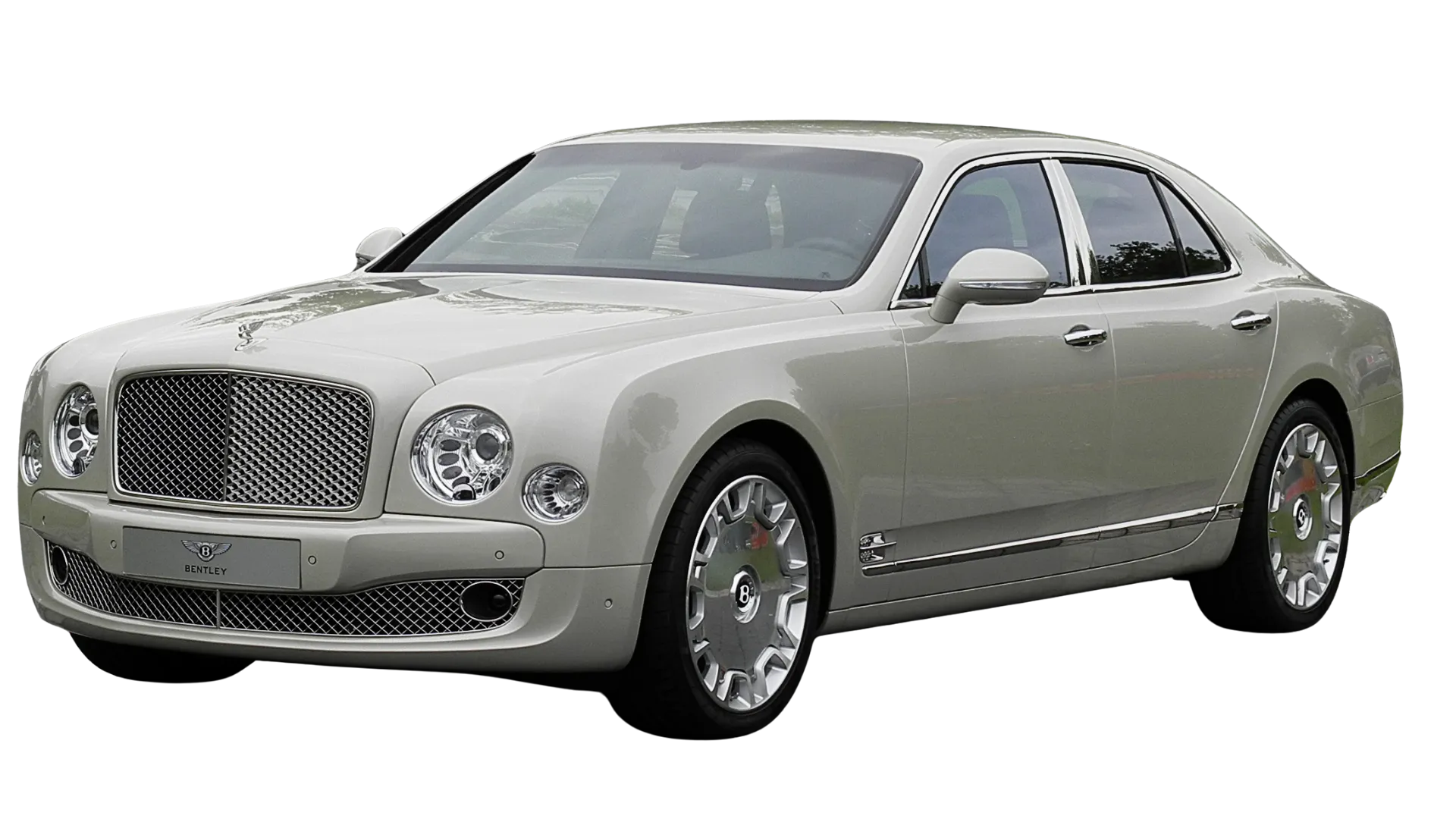 Mulsanne | 2010 to 2020 | ZF 8-speed automatic | Shift flare, seal leaks, torque converter wear |
| Continental GT and GTC | 2018 to present | 8-speed dual-clutch | Clutch wear, mechatronic faults, low-speed judder |
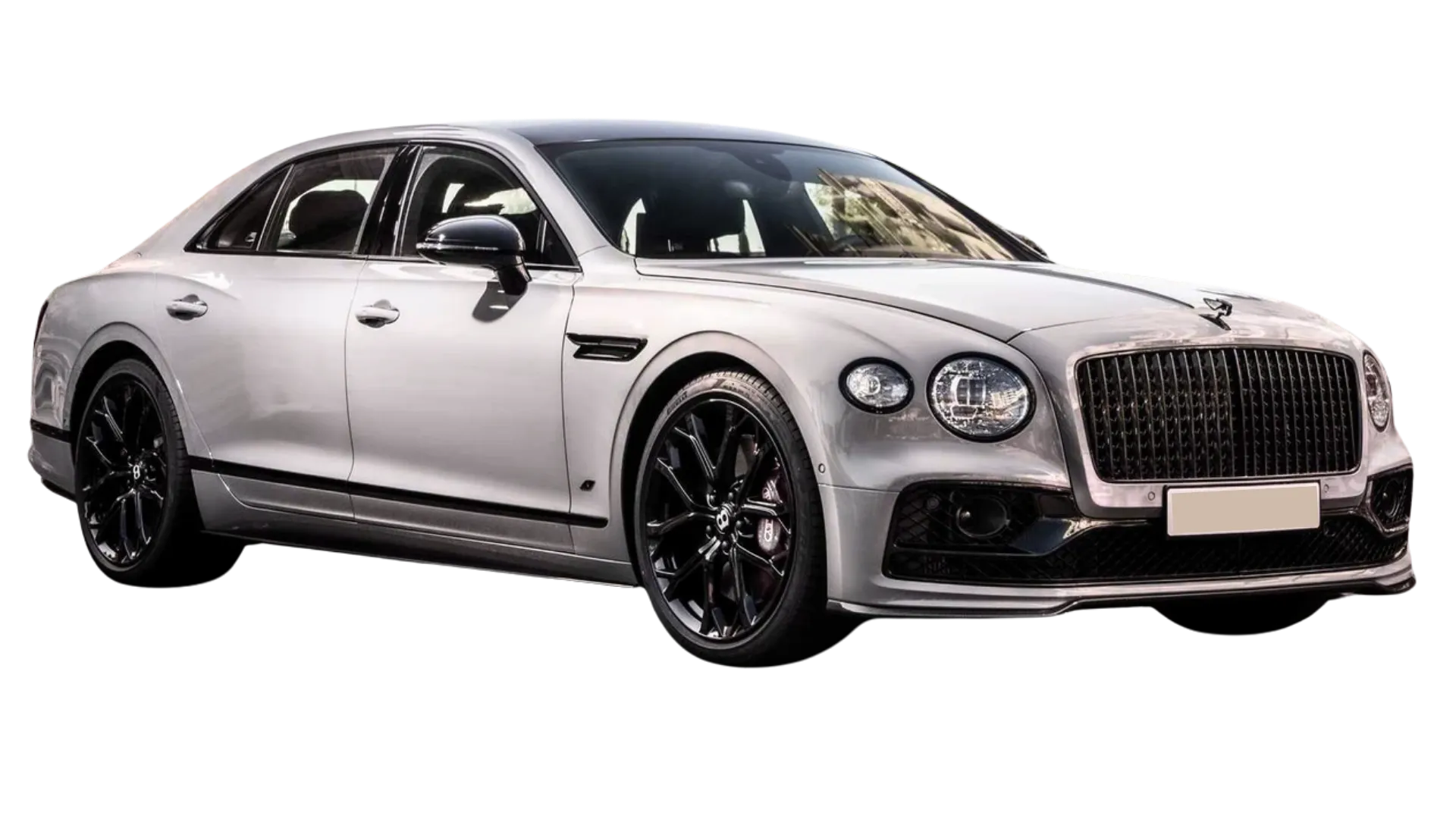 Flying Spur | 2019 to present | 8-speed dual-clutch | Clutch wear, calibration, creep judder |
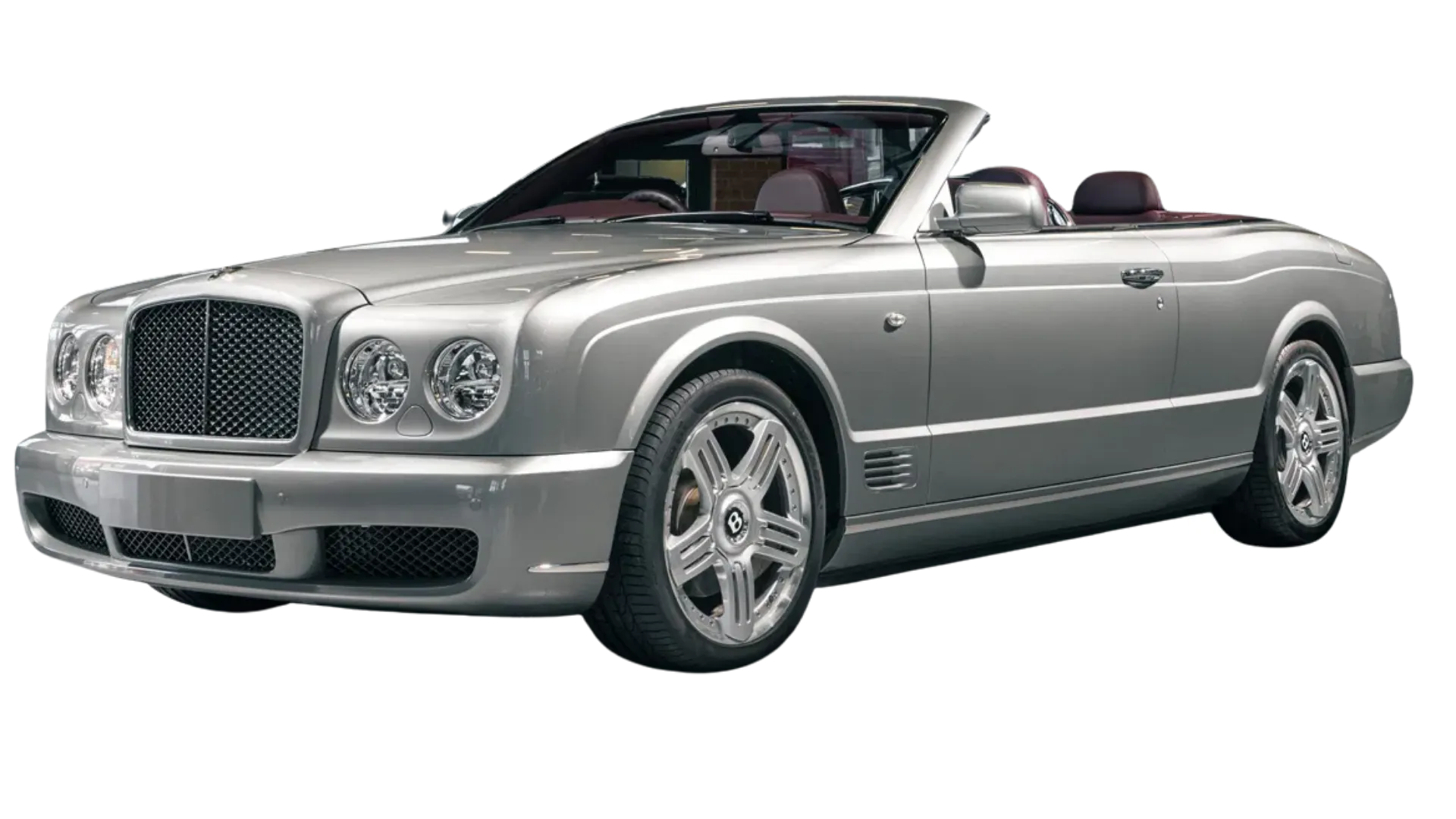 Arnage, Brooklands, Azure | 1998 to 2011 | 4-speed or 6-speed automatic, by year | Age-related seals, fluid, valve body wear |
Bentley has never fitted a CVT or an Audi S tronic gearbox. If you’re quoted for either on your Bentley, ask for a second opinion.
Most gearbox problems start small. A proper diagnosis finds the cause before a minor fault turns into internal damage.
We read every gearbox fault code and review live data on a running car. That includes fluid temperature, clutch slip values and shift times. A road test under different loads confirms what the data shows.
A gearbox warning or “transmission fault” message can come from a sensor, low voltage or a real internal problem. We trace it to the exact cause instead of clearing the code and hoping. Many warnings turn out to be electrical, not mechanical.
Harsh, delayed or jerky gear changes are the most common complaint we see. The cause can be old fluid, adaptation values that drifted, or mechatronic wear. We test each possibility before recommending any repair.
Slipping feels like the engine revs rise but the car doesn’t pull. On a ZF automatic, it usually points to worn clutch packs or low fluid pressure. On a dual-clutch gearbox, it often means a worn clutch that needs measuring and replacing.
Whining, humming or clunking from the gearbox needs early attention. Noise can come from worn bearings, a failing torque converter or low fluid. Catching it early often keeps the repair small.
The cause depends on which gearbox your Bentley has. A ZF automatic and a dual-clutch gearbox wear out in different ways, so we check the right suspects first.
Dubai’s heat breaks down gearbox fluid faster than Bentley’s “lifetime fill” assumes. Tired fluid leads to harsh shifts, slipping and internal wear.
The mechatronic unit controls shift pressure and clutch engagement in both gearbox types. A failing solenoid or sensor inside it can cause missing gears or limp mode.
On ZF 8-speed and 6-speed automatics, worn internal clutches or a tired torque converter cause slipping and shudder. High mileage and heavy city use speed this up.
Heat hardens seals at the pan, cooler lines and output shafts. Even a small leak lowers fluid pressure and affects how the gearbox shifts.
Faulty sensors, damaged wiring or a weak battery can disrupt gearbox control. These often trigger warnings that look like a mechanical failure.
The gearbox learns as it wears, and those values can drift out of range. This causes harsh or delayed shifts that a reset often cures without parts.
Every gearbox wears with time, especially on older Arnage, Mulsanne and first-generation Continental models. Regular fluid care slows this wear significantly.
Your Bentley uses one of two very different gearbox designs. Each needs its own repair approach.
The Bentayga, Mulsanne and V8 Continental GT use a ZF 8-speed torque-converter automatic. It’s smooth and strong, but sensitive to fluid condition and calibration. We repair valve bodies, clutch packs, torque converters and seals on every 8-speed Bentley.
The 2018-on Continental GT and the current Flying Spur use an 8-speed dual-clutch gearbox, shared with the Porsche Panamera. It changes gears faster than a torque-converter automatic, but its clutches and mechatronic unit need specialist care. On the latest Continental GT Speed, the 140 kW hybrid motor also sits inside this transmission.
A dual-clutch gearbox uses two wet clutches, one for odd gears and one for even gears. Worn clutches cause judder from a standstill, slipping or rough low-speed shifts. We measure clutch wear first, then replace and calibrate the clutch pack only when it’s needed.
A gearbox fault rarely means you need a whole new transmission. Many problems come from fluid, software, a single seal or one faulty part, and fixing that cause restores normal shifting.
Most faults fall into the repair category, including:
These are fixed on the gearbox you already have, at a fraction of the cost of replacement.
Replacement or a full rebuild only becomes the right answer when there’s real internal damage, such as:
Even then, a rebuild often saves the original gearbox when the casing and gears are still sound.
We never recommend replacement on symptoms alone. Every Bentley gearbox goes through a full diagnosis first: fault codes, live data, a fluid inspection and a road test. Only then do we put the repair and replacement options in writing, so you can see exactly why we recommend one over the other.
When internal damage is confirmed, you have three routes. We explain each option and its cost in writing before any work begins.
Complete failure usually shows up as no drive, a stuck gear or a gearbox in permanent limp mode. We confirm whether the failure is internal or caused by electronics, fluid loss or the mechatronic unit. Many “failed” gearboxes are saved without a full rebuild.
A rebuild strips the gearbox and replaces all worn internal parts, such as clutches, seals, bearings and friction plates. It keeps the original gearbox and is often the best value when the casing and gear sets are sound. After reassembly, we calibrate the gearbox and road test the car.
Replacement makes sense when the casing or gear sets are badly damaged. We fit a correct-specification gearbox for your model, then code and adapt it to your car. Every replacement is road tested before handover.
| Option | What It Involves | Best For |
|---|---|---|
| Repair | Fixing one part, such as a seal, sensor or solenoid | A single, contained fault |
| Rebuild | Full strip-down with all worn internal parts replaced | Sound casing with general internal wear |
| Replacement | A correct-spec gearbox fitted and coded | Damaged casing or gear sets |
Gearbox faults don’t fix themselves. A small shift problem left alone usually spreads to other parts, and the repair grows with it. This is how a minor fault typically escalates:
Every slip creates friction and heat. Clutch material wears away and contaminates the fluid, spreading damage through the gearbox.
As fluid drops, the gearbox can’t hold clutches firmly. Shifts get harsher, parts overheat and internal wear speeds up.
Worn fluid carries debris through the mechatronic unit’s narrow channels. Solenoids and valves start to stick, causing missing gears or limp mode.
On a dual-clutch Bentley, early judder can often be fixed with an adaptation reset. Left too long, the clutches wear past their limit and need replacing.
Driving on in limp mode or with an overheating warning can turn a repairable fault into a full rebuild or replacement.
Catching a problem early is almost always the cheapest option. A fluid service, a leak repair or a software reset costs a fraction of a rebuild. If you notice harsh shifts, slipping, noise or a warning message, book a diagnosis before the fault has a chance to spread.
Some faults feel like a transmission problem but start somewhere else. We rule these out first, so you never pay for gearbox work you didn’t need.
Engine misfire
A rough-running engine can feel like a jerky gear change. Our engine repair team tests for this first.
Worn engine or gearbox mounts
A loose mount causes a thump when shifting or pulling away.
Weak battery
Low voltage can upset gearbox electronics and trigger warnings. A battery replacement sometimes clears “gearbox” faults.
Driveshafts and joints
Worn joints cause knocks or vibration under acceleration.
We check fluid level, condition and leaks, and note every symptom you’ve noticed. A road test lets us feel the fault under real driving conditions.
We read every gearbox code, live data and adaptation value. Other causes such as mounts, voltage and engine faults are ruled out first.
You get the confirmed fault, parts, price and timeline before any work starts. Photos and test results are included, so you see what we found.
Our technicians carry out the approved work with the correct parts and fluid. If we find anything new along the way, we ask before going further.
We calibrate the gearbox, reset adaptations and road test the car. You get a clear explanation of the work and your old parts to see.
We repair ZF 8-speed automatics and 8-speed dual-clutch gearboxes. Each one gets its own correct tools, fluid and repair method.
Many shift faults are solved with calibration and adaptation alone. We check software and adaptation values before suggesting any parts.
We rule out mounts, battery and engine faults before blaming the gearbox. You only pay for transmission work your car actually needs.
You approve every step in writing, with photos of the fault. Nothing is replaced without your clear agreement first.
Can’t find your answer? Talk to a technician directly.
+971 50 000 0000It depends on the model and year. The Bentayga, Mulsanne and 2012-2017 V8 Continental GT use a ZF 8-speed automatic. The 2018-on Continental GT and the current Flying Spur use an 8-speed dual-clutch gearbox. Older W12 Continentals use a ZF 6-speed automatic.
Not in Dubai conditions. ZF’s guidance to workshops is to change the oil in its automatic transmissions between 80,000 and 120,000 km, or at eight years. Heat and stop-go traffic count as severe use, so we check fluid conditions at every service.
On a dual-clutch Bentley, low-speed judder often points to clutch wear or adaptation values that need resetting. On a ZF automatic, it can be fluid or torque converter related. A diagnosis tells us which before anything is replaced.
Sometimes, yes. Bentley releases gearbox software updates that improve shift quality, and an adaptation reset can cure harsh or delayed shifts. We check your software level and adaptation values before recommending any parts.
The cost depends on whether the fault is fluid, software, the mechatronic unit, the clutches or internal damage. A fluid service or adaptation costs far less than a rebuild. We confirm the exact cost in writing after diagnosis.
If the casing and gear sets are sound, a rebuild is usually the better value and keeps the original gearbox. Replacement makes sense when internal damage is severe. We inspect first and show you both options in writing.
It’s best to limit driving and book a diagnosis soon. If the car goes into limp mode, slips or overheats, stop driving and have it checked. Continuing to drive can turn a small repair into a full rebuild.
Smaller jobs such as a fluid service, leak repair or adaptation are often done within a day. A full rebuild takes longer because the gearbox must be removed, stripped and calibrated. We give you a clear timeline with your quote.
Gearbox problems rarely get cheaper with time. Book a full transmission diagnosis with our Bentley specialists and get a written quote before any work begins.